Across the country, community banks are seeing a sharp rise in a specific type of fraud: criminals impersonating banks through spoofed phone calls and text messages. These scams are becoming more sophisticated, and we want to make sure you know exactly how to protect yourself.
What’s Happening
Fraudsters are calling or texting customers while spoofing the bank’s official phone number, making the message appear completely legitimate. They often claim there’s “suspicious activity” on your account and then guide you into revealing login credentials, PINs, or authorization codes. Once that information is shared, the scammer can access your account and move money quickly.
Community banks and credit unions are targeted more often because customers tend to have long, trusting relationships with their local branch. Criminals exploit that trust.
Why You’re Seeing Fraud Alerts
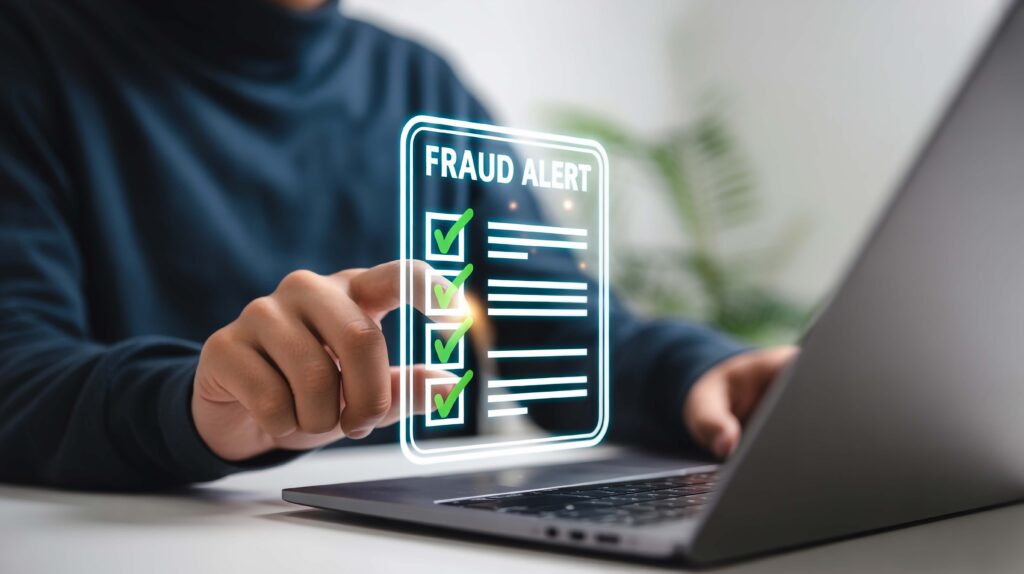
When banks notice an unusual spike in suspicious calls, or when a scam succeeds, we act immediately. Fraud alerts—like banners on our website—are a way to reach every customer quickly. They are not a sign of a data breach. They are a sign that criminals are using the bank’s name as a weapon, and we’re fighting back with information.
How to Protect Yourself
The strongest defense is knowing what the bank will never ask for.
We will never call, text, or email you to request:
- Your account number
- Online banking username or password
- PINs
- Social Security number
- One‑time authorization codes
If you receive a call that feels suspicious—even if it appears to come from our official number—hang up immediately and call us back using the number on our website or the back of your debit card. Never call back a number provided by the suspicious caller.
Why This Matters
Fraudsters are moving faster and using more advanced tools than ever before. Caller ID can be faked. Messages can look official. That’s why clear, direct guidance is essential.
Our goal is simple: keep your money and your information safe.
If you have any questions or believe you may have been targeted, please contact us right away.
Thank you for helping us keep our community safe.
Sincerely, The First National Bank and Trust Company of Newtown’s Fraud Prevention Team
Getting Help from The First
If you ever feel a transaction is suspicious or believe your account has been compromised, please call us immediately at 215-860-9100, or stop by your local branch.
We hope you find these tips helpful. If you have any questions or need assistance, please don’t hesitate to give us a call. Stay safe and secure!
For more information to protect yourself from cybercrime, visit The First’s Security Center and review our latest cybersecurity blog article on Protecting Your Accounts: How to Spot and Stop Modern Fraud Schemes.