
It seems like everyone could use some extra cash these days, beyond what they might find in their couch cushions. In fact, a recent study by The Urban Institute revealed that 49% of people in American families didn’t have enough to cover their essential expenses. It found that residential electricity costs are rising faster than earnings across most of the country, and gas prices have risen sharply as well. Housing costs have risen faster than average earnings for years. If this scenario sounds familiar, you’re probably looking for quick ways to save money and squeeze every dollar you have.
Why Small Money Leaks Matter More Than You Think
Small money leaks are those minor expenses that happen so often you barely notice them. Unfortunately, they can add up to higher costs over time. Some of these might be spending that you’ve done for years out of habit such as a morning latte and convenience foods. Sometimes it’s things that seem routine, such as streaming subscriptions. A few bucks here and there might not break your budget, but they can certainly hurt your cash supply in the long run.
Why Quick Wins Can Build Momentum
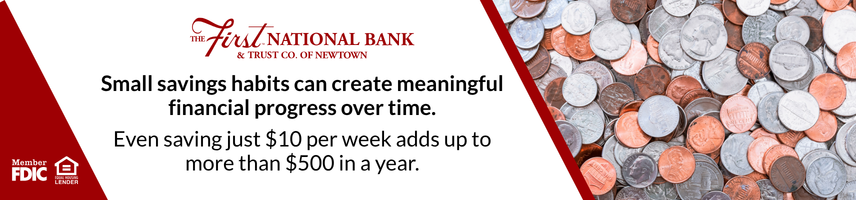
For anyone considering how to save money these days, cutting a few bucks here and there might not seem like it’ll do much for your bottom line. Whatever you can cut from your weekly expenses, multiply that by 52 to see how much it’ll save you in a year. Even the smallest of financial victories can help you in the long term.
10 Places to Look for Hidden Money
If you’re looking for ways to find money fast, there are many things to consider. Some of these options may offer an immediate reward, others can take time for these changes to add up.
Unused Subscriptions
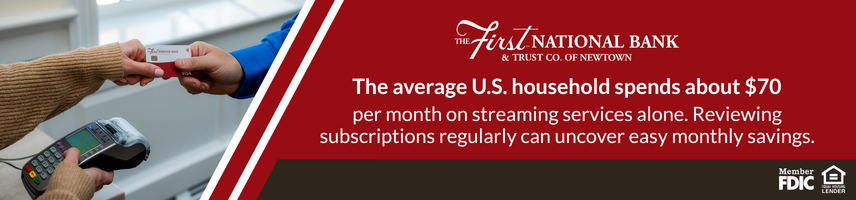
A survey by YouGov in 2024 revealed that among consumers with active subscriptions, just 38% had used all of them within the previous six months, and more than half were paying for subscriptions they didn’t use. Many people sign up for a streaming service with a free trial period to binge a particular show or watch a movie they can’t find elsewhere, and then soon forget about it. The Los Angeles Times reports that American households currently spend an average of $70 per month on streaming services, an increase of $22 per month from the previous year, which is attributed to major platforms raising their prices. See how many of them you can eliminate completely or at least temporarily. Perhaps you could try sticking with just one streaming service at a time.
Auto-Renewals You Forgot About
January and February are notorious for high numbers of new gym memberships and busy workout centers, from people making New Year’s resolutions to exercise more and trying to eliminate whatever weight they gained over the winter holidays. It’s estimated that around 67% of gym memberships are unused, which adds up to billions of dollars each year. Take a close look at any recurring charges you have on your credit card or checking account and think about how often you actually use them.
Cashback and Rewards Balances
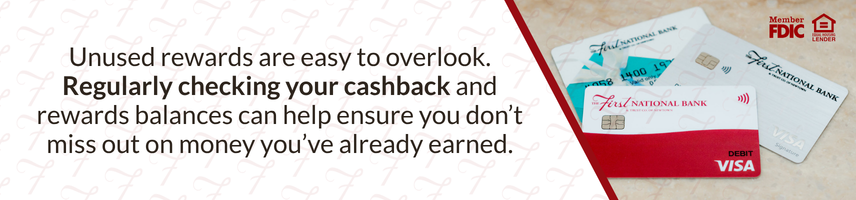
Millions of Americans have cashback and rewards balances for their credit cards but fail to use them. Some rewards are only available for a limited time, such as a year, so they’ll disappear if you fail to use them. Some consumers cancel a credit card without realizing they haven’t made full use of their rewards, so they wind up losing a valuable benefit. A 2023 report by the Consumer Financial Protection Bureau found that American consumers lost $500 million worth of earned credit card rewards each year. Whatever rewards you have with a credit or debit card, make sure you understand the rules so you can make the most of these rewards and don’t lose out on a potential benefit.
Gift Cards
While many people and businesses offer gift cards to their friends or employees as a birthday or holiday present, a large number of those cards go unused. By some estimates, about half of all American adults have had at least one unused gift card at some point. Many gift cards have their value eroded by monthly inactivity fees if they’re unused. By the time someone fishes them out of a desk drawer or their wallet, a card’s initial value could have eroded down to almost nothing. There’s also the fact that a gift card issued by a particular merchant or restaurant would suddenly be worth nothing if they went out of business. Think about any gift cards you may have received over the past year, track them down, and see whatever funds they may have left that you can use.
Unused Store Credit
Many people return a gift in exchange for store credit, especially after the winter holidays, thinking they’ll use the credit at some point. Some people include a “gift receipt” with a present in case you want to exchange an item. Unfortunately, most merchants put an expiration date on store credit so if you don’t use it, you lose it. Take the time to dig through your drawers, wallet, purse, or anywhere else a gift receipt could be lurking, and make sure you tap into that value before it’s lost.
Spare Change and Roundup Savings
While many people are using debit cards and credit cards to pay for things these days, cash still makes up a large number of transactions. Dumping any unused change into a jar each day can be an easy way to save up over time. For many people, it’s an amount so small that they scarcely notice it—until the jar becomes full enough that they could put it in their bank account or turn it into dollar bills. A round-up debit or credit card works similarly. For example, if you spend $1.75 on a purchase, your card automatically “rounds up” your purchase and gives $1.75 to the merchant, puts an additional $0.25 on your card, and deposits that $0.25 into an account of your choice.
Old App Charges
Subscriptions and in-app purchases from “free” apps make up 95% of revenues within the Apple App and Google Play stores, according to Business of Apps. Paid apps, which require users to pay before accessing an app, make up less than 5% of app store revenues and account for a small number of app downloads. Many paid apps will offer a free trial period or tiered subscriptions to access premium services.
Many parents have given a phone to one of their kids as a way to keep him busy, only to discover unexpected charges on their phone or credit card bill because the child purchased something during a game without realizing it.
Do a little digging into your subscriptions to see what kind of recurring charges you have. You can also take a look at your phone and credit card statements. Cutting any forgotten subscriptions might seem like a small bit of savings, but it can add up to significant costs over time.
Bank Fee Opportunities
Holding different accounts at more than one bank isn’t just inconvenient; with multiple account numbers, logons, and passwords to remember, you could also be losing out on a chance to reduce your banking fees. You could also put yourself at risk of getting hit with a maintenance fee if one of your accounts falls below its minimum balance requirement.
With The First’s All-in-One Banking, you can reduce or eliminate monthly account fees and save money on things like wire transfers and ATM surcharges. It also simplifies your banking by giving you just one login and password through our online portal and mobile app.
Refunds and Reimbursements
For many Americans their annual tax refund is like free money, and in their heads it’s already spent before they even receive their funds. That money isn’t actually “free,” it was taken out of your paychecks and is being returned to you. Of course, other windfalls may come your way from time to time. Insurance companies, utilities, and other businesses might give you a refund because you overpaid.
Duplicate Household Spending
This one requires you to take a detailed look at some of your expenses. One of the more common examples comes from cable, Internet, and streaming services.
You may have signed up for a cable or Internet package that includes certain channels or streaming services. At a later time you or someone in your household signs up for a streaming service without realizing that it’s already included as part of a package deal. This may happen if a service is only logged on to one TV or streaming device, and someone signs up from a separate device elsewhere in the home. Two or more people could sign up, with each of them using their own email and credit cards and not realize that your household is paying twice for the same service.
Many people rent a car and pay for the insurance, while not realizing that they might already be covered through their own auto policy or the credit card they used to pay for the rental. Check your coverage options before your next rental to make sure you save money but are also covered in case of an accident.
What To Do With the Money You Find
If you’re cutting costs and finding unused funds, congratulations, but that’s only the first step. Whether it’s from a tax refund, a reduction in household expenses, or a combination of all of the above, any windfall you receive should be used in a way that improves your finances over the long term.
Reduce Your Credit Card and Other Debts
One of the more popular and responsible ways to use a windfall is to pay off or reduce your credit card debts, which can save you a considerable amount of interest costs. If your credit cards are free and clear, consider applying your surplus to any other loans you may have, such as student loans, car loans, or your mortgage. Any debt reductions today can add up to significant reductions in interest charges over the long run.

Put It Towards an Emergency Fund
Financial experts recommend that every household have at least two to three months’ worth of household expenses set aside as an emergency fund. If you don’t have an emergency fund, this is a good opportunity to start one. If you already have an emergency fund, take a close look at your household expenses to see if you have enough set aside for a financial emergency. Keeping this fund in a designated savings account can reduce any temptation to spend it, while also earning interest.
Start an Education Fund
If you have kids, it’s never too soon to start saving for their future. Whatever you set aside today can grow from compound interest over time.
How The First Can Help You Keep More of What You Earn
With our All-in-One Banking, we make it easy for you to save on banking fees and to manage your accounts. You might set up different savings accounts for different goals, and use our online portal and mobile app. Many of our customers discover that automating their savings can help with meeting their goals. They have their income deposited into a checking account, which they use for paying their bills, and set up automatic transfers to one or more savings accounts. This is a way to self-limit your spending by using your savings as something that should only be tapped in an emergency or for a particular goal.
If you’d like to learn more about the benefits of all-in-one banking, please contact us or visit one of our 11 bank locations in Bucks County: Newtown, Newtown-Yardley, Warminster, Richboro, Jamison, Langhorne, Doylestown, Fairless Hills, Wrightstown, Washington Crossing, and Solebury.