

Individual Retirement Accounts (IRAs) are an effective way to save for retirement and the sooner you begin, the better off you’ll be in the long run. Of course, there are things to consider, such as Roth IRAs vs. traditional IRAs, and the IRA savings strategies you choose today will have a significant impact on how you live in retirement.
When it comes to retirement planning, the good news is people are living longer than ever before. An American male turning 65 today is expected to live to age 84.3 on average, while a 65-year-old female is expected to live to 86.6, according to Georgetown University’s McCourt School of Public Policy. For children born in 2007 in the U.S., half of them are expected to live to age 104.
Unfortunately, the amount that people save for retirement isn’t keeping up with these longer lifespans. A Gallup survey last year discovered that 59% of American adults had a retirement plan. Just 50% of non-retirees said they expected to have enough money to live comfortably in retirement.
Why IRA Planning Should Evolve throughout Your Life
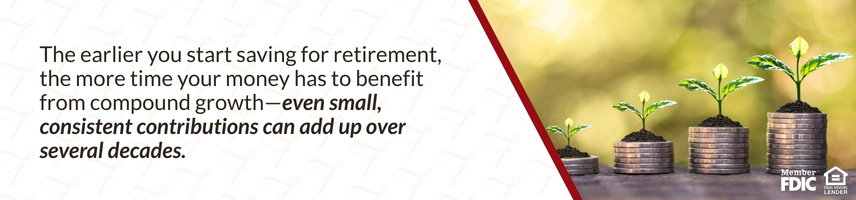
Retirement planning isn’t a one-size-fits-all kind of thing. Your income and financial needs will change over time. When you’re younger, you might also be saving up to buy a home and other needs. As people age, they focus more on retirement planning and building a nest egg. Of course, the earlier you start saving for retirement, the more you’ll benefit from compound interest. Your budget needs and income today won’t be the same over the decades, so you’ll need to fine-tune and adjust your investment strategy over the years.
Retirement planning experts say someone should have the following amounts saved for retirement:
- 1 x their annual salary by age 30.
- 2 x their annual salary by age 35.
- 3 x their annual salary by age 40.
- 4 x their annual salary by age 45.
- 6 x their annual salary by age 50.
- 7 x their annual salary by age 55.
- 8 x their annual salary by age 60.
- 10 x their annual salary by age 65.
What’s the Difference between an IRA and a 401(k)?
One of the main differences between IRAs and 401(k)s is that a 401(k) is only available if it’s offered by your employer. Your contributions are deducted from your paycheck on a pretax basis, so they reduce your taxable income. Your 401(k) funds are taxable as income when you withdraw them in retirement.
Anyone can open an IRA, regardless of their employer or any additional retirement plan they may have. The impact on your income taxes depends on whether you choose a traditional IRA or a Roth IRA.
What’s the Difference between a Traditional IRA and a Roth IRA?
Traditional IRA contributions are made with pretax dollars, so they reduce your taxable income during your investing years. You’ll pay income taxes on these funds when you withdraw them in retirement.
Roth IRA contributions are made on an after-tax basis, with income that you’ve already paid income taxes on. You won’t have to pay taxes on your Roth IRA funds when you withdraw them in retirement.
Another key difference is that IRAs that are held in a bank deposit account could be insured by the FDIC, just like your savings and checking accounts. FDIC coverage is up to $250,000 per account holder per bank, or up to $500,000 for married couples who are joint account holders. FDIC coverage of IRAs would only include funds that are held in certificates of deposit (CDs) or a savings account. It would not cover IRAs that are placed in stocks, bonds, and similar investments.
Contribution Limits for IRAs and 401(k)s
Under IRS rules for tax year 2026, individuals can contribute up to $7,500 to a traditional IRA or a Roth IRA and $24,500 to a 401(k). Those age 50 and older can contribute up to $8,600 to an IRA and up to $32,500 to a 401(k).
IRA Planning in Your 30s
Any retirement contributions you make in your 30s could grow substantially through compound interest by the time you retire. Of course, you probably have other financial obligations and goals. You might be saving up for a down payment on a home or already have a mortgage. Many people in your age bracket also have kids to think of. If your employer matches any of your retirement contributions, try to contribute what it takes to get the maximum amount of that benefit. Otherwise, you’d be leaving free money on the table that you can use to build your retirement fund.
Build Consistent Saving Habits
A rule of thumb for household budgets is to allocate 50% of your take-home pay for needs, 20% for your savings, and 30% for your wants:
- Needs: Housing (rent or mortgage), food, utilities, insurance, transportation and minimum loan payments.
- Savings: Retirement plans, an emergency fund, and paying off debts.
- Wants: Subscriptions, such as streaming services and gym memberships, plus food delivery, restaurant meals, and nonessential clothing.
Financial experts recommend that each household have at least two to three months’ worth of household expenses as an emergency fund. Creating a budget and reviewing it on a regular basis is crucial to financial success and reaching your goals, as it can serve as a reminder to help you avoid unnecessary spending.
If you’re choosing between saving for retirement or setting up an education fund, many financial experts would recommend that your retirement goals should come first. Your kids will have options for funding their education such as scholarships, grants, and loans. The more you save for retirement, the less chance you’ll be a financial burden to your family later on. If you prioritize saving money and setting enough aside for retirement, then you could think about how to pay for college.
IRA Planning in Your 40s
Hopefully, by the time you reach 40 you already have a good start on saving for retirement. Many people fall behind in meeting their goals for retirement saving so if that’s happening to you, you’re not alone. What’s important is to consider where you are and take a close look at your income, expenses, savings, and debts. You’ll also need to think about how you’ll want to live when you retire and how your living costs will change.
Increase Contributions as Income Grows
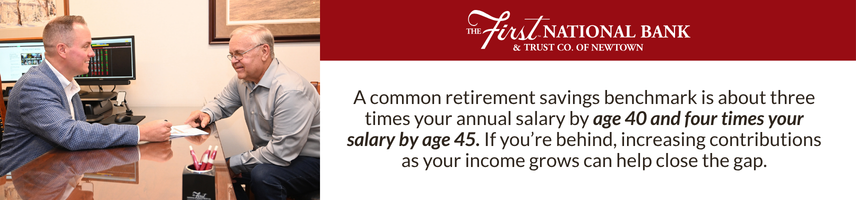
If you have an employer-sponsored retirement plan and you’re contributing the maximum amount you need to meet your employer’s matching funds, that’s a great accomplishment, but it still might not be enough to fund your retirement. At this point, financial experts would say you need three times your annual income saved for retirement by age 40 and four times your income by age 45. The good news is you still have time to save up for retirement, but you may need to increase your retirement contributions as your income grows over the years.
Balance Retirement with Family Financial Goals
Take a close look at your income and expenses and set priorities according to your needs. Whatever debts you have, you might make paying them off a priority, especially if they carry a high interest rate. You should also make sure your emergency fund is enough to cover your needs. Many financial advisors would say that if you’re debt-free and are saving enough for retirement, then you might consider setting something aside for a child’s education.
IRA Planning in Your 50s
In your 50s is when you really need to get serious about retirement planning, as it’s recommended that you have six times your annual salary saved by the time you’re 50 and seven times your salary by age 55.
Take Advantage of Catch-Up Contributions
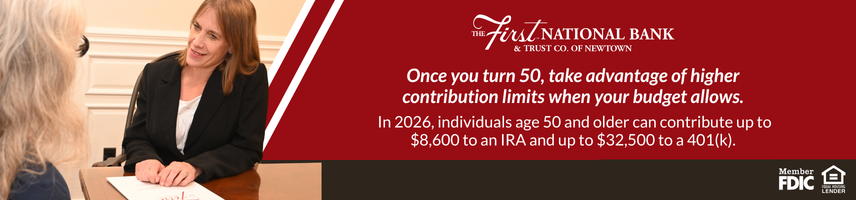
Once you hit age 50, you can take advantage of IRS rules that allow annual “catch-up” contributions that exceed federal limits for younger folks. For 2026, the contribution limits for those 50 and older are $8,600 for an IRA or Roth IRA and $32,500 to a 401(k).
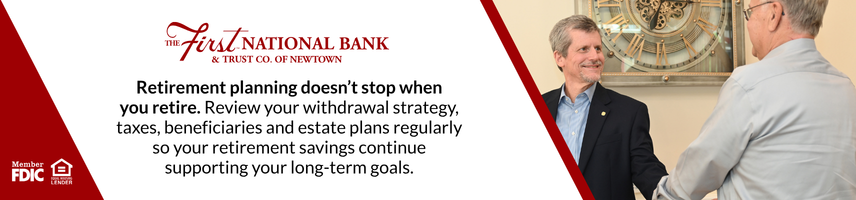
Evaluate Your Retirement Income Strategy
At this stage in your life, you could be sitting in a higher tax bracket than when you were younger. Take a close look at the federal income tax brackets and consider how you might use a traditional IRA and 401(k) contributions to reduce your federal income taxes. You could reduce your income taxes just by reducing your taxable income. You might also be able to reduce your taxable income enough to drop yourself into a lower tax bracket.
This approach would have you paying income taxes when you withdraw your funds in retirement, but it could still be advantageous if you’re in a lower tax bracket when you retire. A tax preparer or financial advisor could help you figure out if this is the right strategy.
Another thing to consider is where you plan to retire. Pennsylvania has a flat income tax rate, and many local governments impose their own income taxes as well. Retirement income is not taxed in Pennsylvania, including Social Security benefits, once you reach retirement age. If you plan to retire in another state, you should consider how it treats retirement benefits and whether they’re taxed as income.
IRA Planning Beyond Age 60
By the time you reach age 60, financial planners would say you should have at least eight times your annual salary saved for retirement and at least 10 times your annual salary by age 65. If you’re still working and earning an income, you can still make contributions to an IRA or Roth IRA.
Prepare for Withdrawals and Tax Considerations
The IRS has a five-year rule for Roth IRAs that requires you to wait at least five years from the moment you make your first Roth IRA contributions before you can tap into these funds. Otherwise, you could face taxes and/or financial penalties for what’s known as a nonqualified distribution. You’ll also need to be at least 59½ years old or disabled before you can withdraw these funds. You must start making required minimum distributions (RMDs) from an IRA starting in the year you turn 72 years old.
What’s a Roth IRA Conversion?
A Roth IRA conversion is when you transfer assets from a pretax retirement plan, such as a 401(k) or a traditional IRA, to a Roth IRA account. You would have to pay income taxes on the funds you transfer, but any withdrawals you make from your Roth IRA account later on would be tax-free in the future. If you plan on doing this, you’ll have to wait at least five years to withdraw your Roth IRA funds, or the IRS would consider your withdrawal to be a nonqualified distribution.
Review Beneficiaries and Estate Planning
If you don’t have a will or a trust set up, it’s time to think about creating one. If you already have a trust or a will, you may need to revisit your plans and make sure they still meet your needs and those of your beneficiaries. You’ll need to consider beneficiaries for your estate and your retirement funds, including your IRAs. The IRS has rules for the handling of IRAs after the owner passes away. Your spouse would have the option of keeping your account as an inherited IRA or rolling it over into their own IRA. Their RMDs would not have to start until they meet the age requirement. Non-spousal inheritors, such as your kids, would have 10 years to withdraw from an inherited IRA.
Start Building Your Retirement Strategy Today
Of course, retirement planning by age is just a set of guideposts. We understand that your individual needs could differ based on where you are in life. Our team of certified financial planners can help you with retirement planning in Bucks County PA and put together a strategy based on your personal goals and needs. Please call us at 215.968.4872 or contact a member of our team to set up a consultation.